
Africa’s mist-shrouded mountains hide one of the most profound wildlife encounters on the planet. Among the dense tropical forests and rolling hills, the mountain gorilla, a gentle, intelligent, and strikingly human in its expressions lives. Experiencing gorilla trekking in Uganda and Rwanda is not merely a safari; it is an intimate, unforgettable journey that connects travelers to nature, conservation, and themselves in ways few other adventures can.
Gorilla trekking has become one of Africa’s most iconic wildlife experiences. Unlike typical safaris, where animals are observed from the safety of a vehicle, gorilla trekking immerses you in the heart of their habitat. Every step through thick forests, listening to the calls of birds and the subtle rustling of leaves, builds anticipation. And then, there it is, the silverback, majestic and serene, with its family nearby, living life largely untouched by human influence.
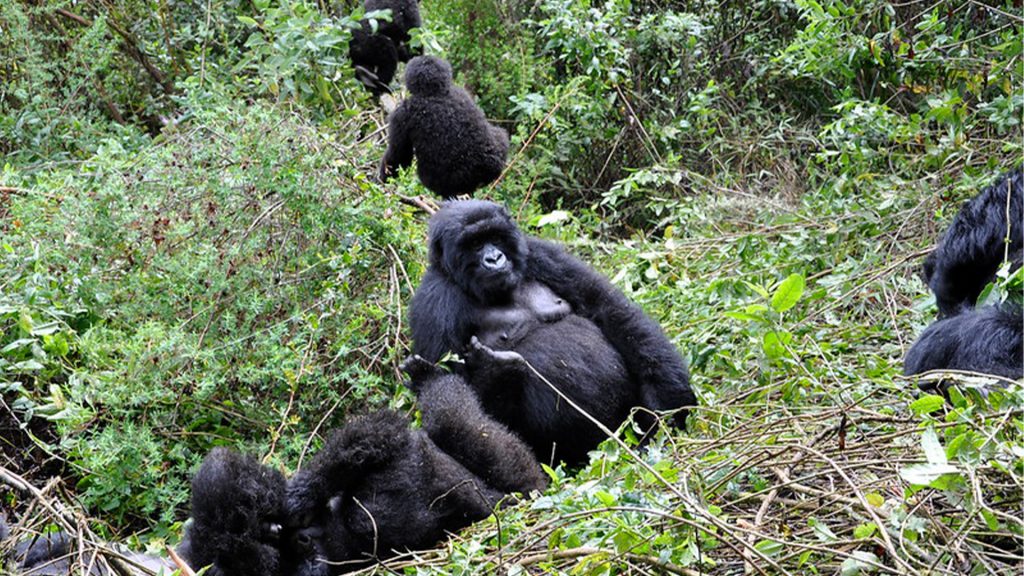
Why Gorilla Trekking is a Once-in-a-Lifetime Experience
What makes gorilla trekking extraordinary is the combination of proximity, rarity, and emotional connection. Mountain gorillas are endangered, with fewer than 1,200 individuals left in the wild. Tracking them requires patience, respect, and guided expertise, which makes each encounter special.
- Emotional resonance: Seeing a gorilla family interact like mothers grooming babies, juveniles playing, silverbacks protecting their group, evokes emotions rarely experienced in wildlife observation.
- Connection to nature: Trekking immerses visitors in Africa’s rainforest ecosystems, giving insight into the flora and fauna that support gorilla life.
- Adventure: The trek is an adventure in itself. Trails can be steep, muddy, and challenging, creating a sense of accomplishment once you reach the gorilla group.
Visitors often leave with more than photographs; they carry an emotional memory that lingers long after the trip ends.
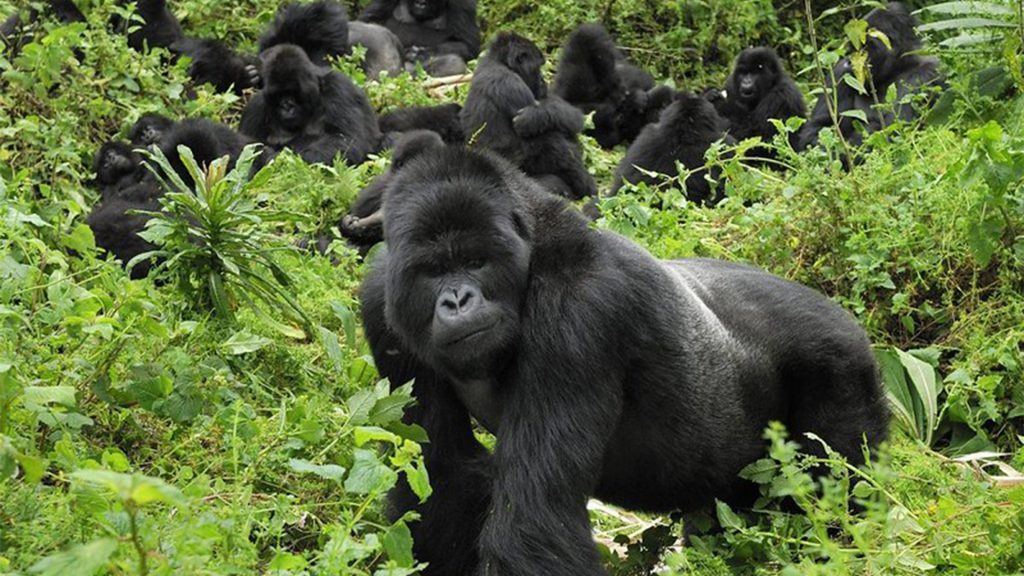
Best Destinations for Gorilla Trekking
Both Uganda and Rwanda offer extraordinary opportunities for gorilla trekking. Each destination has its own unique appeal, and travelers often choose based on personal preferences, accessibility, and experiences desired.
Uganda: Bwindi Impenetrable National Park and Mgahinga Gorilla National Park
Uganda is often called the home of mountain gorillas, thanks to the expansive Bwindi Impenetrable National Park and Mgahinga Gorilla National Park.
- Bwindi Impenetrable National Park: A UNESCO World Heritage Site, Bwindi covers approximately 321 square kilometers of dense rainforest. It is home to nearly half of the world’s mountain gorilla population. Trekking here provides opportunities to experience rich biodiversity, including over 350 bird species and a variety of primates. The park is also accessible from several Ugandan towns like Kisoro and Kabale, with comfortable lodges and community-run accommodations nearby.
- Mgahinga Gorilla National Park: Smaller but equally remarkable, Mgahinga is less crowded and offers a quieter trekking experience. It is ideal for travelers seeking solitude and a more intimate interaction with nature.
There is more to what Uganda offers like unique cultural experiences in nearby communities, allowing visitors to learn about local traditions and how communities co-exist with wildlife.
Rwanda: Volcanoes National Park
Rwanda’s Volcanoes National Park is world-famous for its conservation success stories and organized trekking infrastructure.
- Volcanoes National Park: Located in the northwest of Rwanda, this park borders Uganda and the Democratic Republic of Congo. It is renowned for habituated gorilla families that are accustomed to human presence, making encounters smoother and sometimes longer than in Uganda. Rwanda emphasizes sustainable tourism, offering high-quality lodges and eco-friendly accommodations. Trekking here often includes scenic hikes in volcanic landscapes and the chance to meet local cultural groups.
Rwanda’s small size and efficient transport make it easy to combine gorilla trekking with other experiences such as golden monkey trekking or cultural visits to local communities.
Planning Your Gorilla Trekking Adventure
When to Go
Mountain gorillas can be trekked year-round, but Uganda and Rwanda have distinct wet and dry seasons.
- Dry seasons (June–September and December–February): Trails are easier to navigate, and visibility in the forest is better. Trekking during these months is ideal for most travelers.
- Wet seasons (March–May and October–November): The rainforest becomes lush and vibrant, offering spectacular photography opportunities. However, trails are slippery and more physically demanding.
Travelers should consider their own comfort with challenging terrain and the type of experience they want when choosing a season.
Booking Your Permits
Gorilla trekking requires permits, which are limited to protect the gorillas and their habitat. Prices vary between Uganda and Rwanda and can be booked in advance through government portals or trusted tour operators like Quaint Africa safaris.
- Uganda: Gorilla trekking permits cost approximately $600 for foreign non-residents and $500 for foreign residents, ensuring the sustainability of the parks.
- Rwanda: Permits cost around $1,500 for international travelers, reflecting Rwanda’s high-end conservation and tourism model.
Booking early is crucial, especially during peak tourist seasons, as permits sell out quickly.
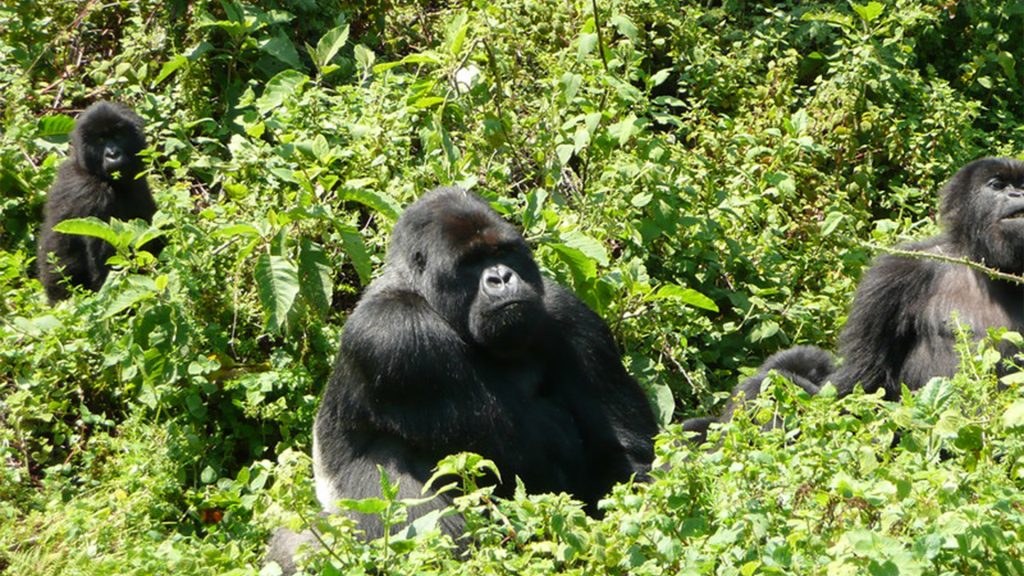
What to Expect on a Trek
Trekking mountain gorillas is not a walk in the park. Visitors should prepare for physical exertion, unpredictable weather, and dense vegetation.
- Pre-trek briefing: Guides brief participants on safety, proper conduct, and how to interact respectfully with gorillas.
- The hike: Treks can last anywhere from 1 to 6 hours depending on the gorilla family’s location. Trails can be steep, muddy, or uneven, requiring good footwear, hiking poles, and stamina.
- Encounter: Once you reach the gorilla group, interaction typically lasts one hour. Guides ensure visitors maintain a safe distance, and photographers are advised to avoid flash.
- Observation: Watch mothers grooming babies, juveniles playing, and the silverback maintaining authority. It is both fascinating and humbling.
The physical challenge is part of the reward. Trekking builds anticipation, and finally seeing a gorilla family elicits awe and emotion like no other wildlife encounter.
Benefits Beyond Adventure
Gorilla trekking offers more than adventure; it supports conservation, local communities, and sustainable tourism.
- Conservation: Permit fees directly fund park management and anti-poaching initiatives. This financial support helps protect the gorillas and their habitat from deforestation, hunting, and human encroachment.
- Community empowerment: Trekking often involves local guides, porters, and community projects. Visitors contribute to local economies, helping communities see wildlife as a resource to preserve.
- Education and awareness: Experiencing gorillas in the wild fosters a deeper understanding of ecological systems, endangered species, and the importance of environmental stewardship.
Visitors leave with knowledge, respect, and a desire to support conservation efforts globally.
What to Pack
Proper preparation is key to a successful trek and so prior and proper packing is necessary;
- Clothing: Lightweight, breathable, and waterproof clothing. Neutral colors are preferred.
- Footwear: Sturdy, waterproof hiking boots.
- Accessories: Raincoat, hat, insect repellent, gloves for gripping vines or trees.
- Photography: Camera with zoom lens, extra batteries, and memory cards.
- Miscellaneous: Water, snacks, and a small backpack.
Guides often provide advice tailored to specific trails and conditions, ensuring trekkers are safe and comfortable.
Additional Activities in Gorilla Trekking Destinations
While gorilla trekking is the highlight, both Uganda and Rwanda offer complementary experiences:
- Chimpanzee trekking: Visit Kibale Forest in Uganda or Nyungwe Forest in Rwanda to track chimpanzees in their natural habitat.
- Golden monkey trekking: In Volcanoes National Park, Rwanda, or Mgahinga National Park, Uganda, observe these colorful primates
- Community visits: Learn about traditional lifestyles, crafts, and conservation initiatives.
- Cultural experiences: Participate in local dances, markets, and storytelling sessions.
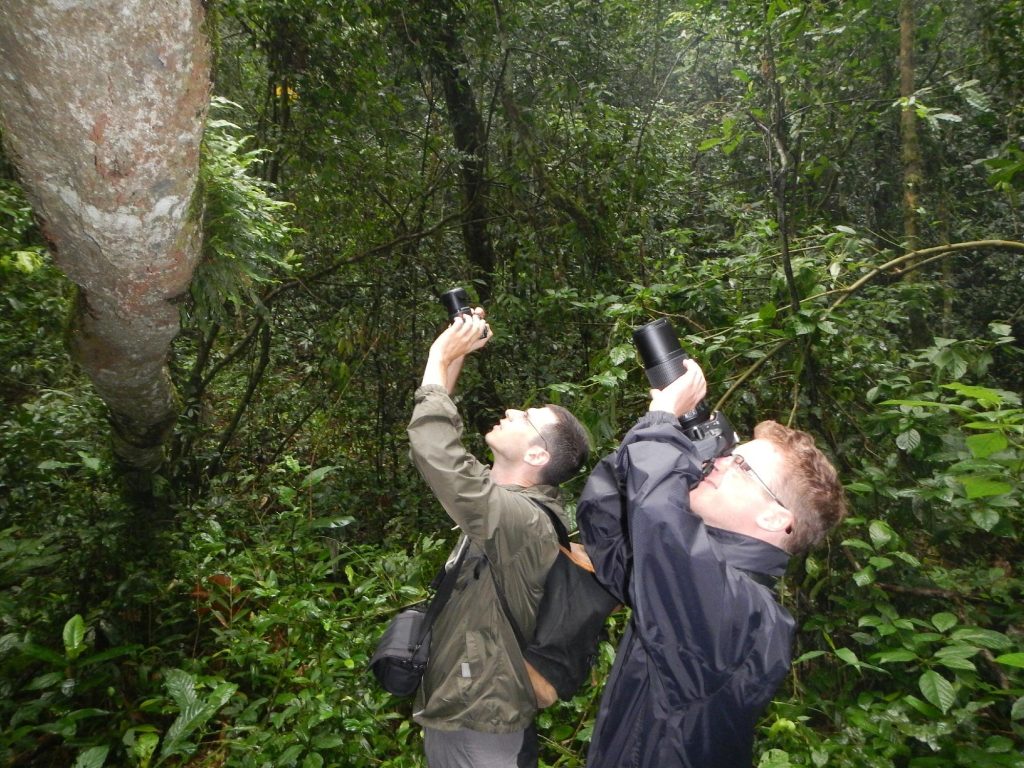
These activities enrich the safari experience, allowing travelers to see wildlife, landscapes, and culture together.
Photography and Storytelling Opportunities
Gorilla trekking is a photographer’s dream. From misty forest landscapes to intimate family interactions, the possibilities are endless. Tips include:
- Use natural light as much as possible.
- Keep a safe distance to avoid disturbing the gorillas.
- Capture candid behaviors like grooming, playing, or feeding.
- Use zoom lenses for close-up shots without intrusion.
Documenting these moments not only preserves memories but can also contribute to wildlife awareness campaigns or social media storytelling.
Physical and Emotional Preparation
Trekking mountain gorillas requires both physical stamina and mental readiness:
- Prepare for long hikes by doing moderate cardio exercises.
- Mentally, embrace patience, sometimes the gorillas move farther than expected.
- Be ready to immerse yourself fully in the forest, letting go of schedules and embracing spontaneity.
Many travelers describe the experience as life-changing, often ranking it among their top travel memories.
Choosing Between Uganda and Rwanda
Both countries offer exceptional gorilla trekking experiences, but travelers often compare:
| Feature | Uganda | Rwanda |
|---|---|---|
| Permit Cost | $800 | $1,500 |
| Trek Duration | 1–6 hours | 1–4 hours |
| Park Size | Larger, more diverse | Smaller, organized, easier access |
| Wildlife Variety | Gorillas, chimps, other primates | Gorillas, golden monkeys |
| Tourism Style | Flexible, adventurous | Structured, luxury-oriented |
Your choice depends on budget, preferred style, and what additional experiences you want during your safari.
Good news is that Uganda has launched low season discounted gorilla permits at $600 in months of April, May and November.
Tips for a Responsible Gorilla Trek
- Maintain at least 7 meters distance from gorillas.
- Avoid eating or drinking near them.
- Turn off flash when taking photos.
- Follow your guide’s instructions at all times.
- Stay healthy; do not trek if sick, to prevent transmission to gorillas.
These practices ensure both visitor safety and gorilla protection.
Why Gorilla Trekking Matters
Beyond adventure, gorilla trekking is about connection, conservation, and education. It teaches us:
- Wildlife protection is essential.
- Tourism can drive positive change for local communities.
- Intimate encounters foster respect and empathy for all species.
A single visit contributes to a broader effort to protect one of the most endangered primates on Earth.
Thinking last about Gorilla Trekking in Uganda and Rwanda.
Gorilla trekking in Uganda and Rwanda is a profound journey into the wild, an emotional connection with nature, and a direct contribution to conservation. From the misty forests of Bwindi and Mgahinga to the volcanic landscapes of Rwanda’s Volcanoes National Park, every step brings excitement, reflection, and a sense of responsibility.
Whether you are a seasoned traveler or someone seeking a life-changing adventure, trekking mountain gorillas offers a unique opportunity to witness the power of nature, the intelligence of these incredible creatures, and the beauty of Africa’s wilderness.
With proper planning, respect for wildlife, and engagement with local communities, your gorilla trekking experience will be both unforgettable and impactful. Quaint Africa Safaris ensures every journey is safe, meaningful, and aligned with sustainable tourism practices.
Gorilla trekking is a story you live, a memory you treasure, and a contribution to a global effort to protect these magnificent animals for generations to come. At Quaint Africa Safaris, we offer best experiences when it comes to gorilla trekking, contact us today to plan your safari.